A maritime meditation stitched from nostalgia, ghosts, Greenwich, art, pirates, and a house once owned by a boy who ran away to sea at eleven.
THE SEA NEVER LETS GO
Some places don’t just preserve history — they pull you back into it.
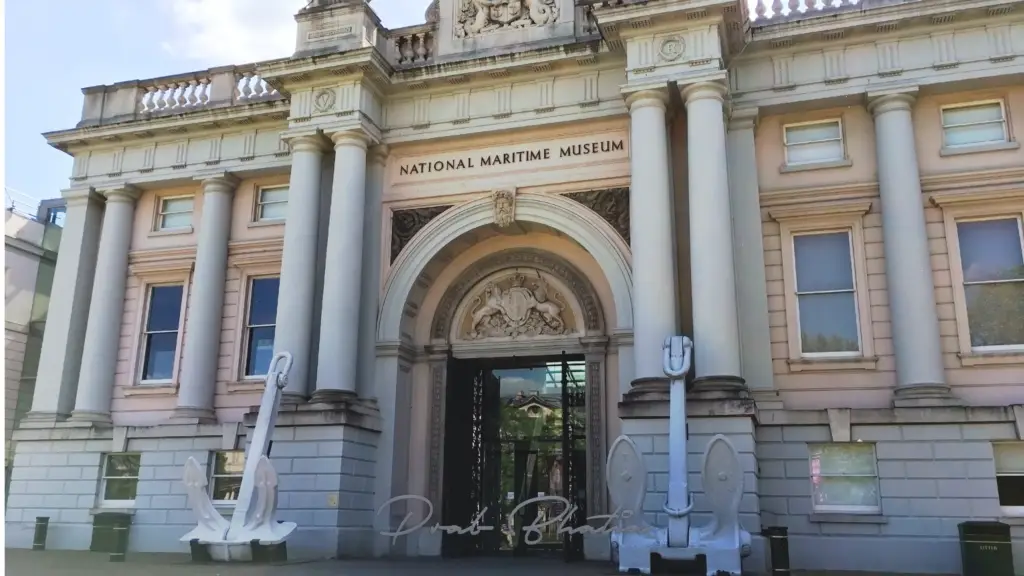
Walk into the National Maritime Museum at Greenwich, and you feel it instantly: the sea hasn’t forgotten you. It waits, patient and familiar, ready to tug at that old umbilical cord you thought you severed when you came ashore.
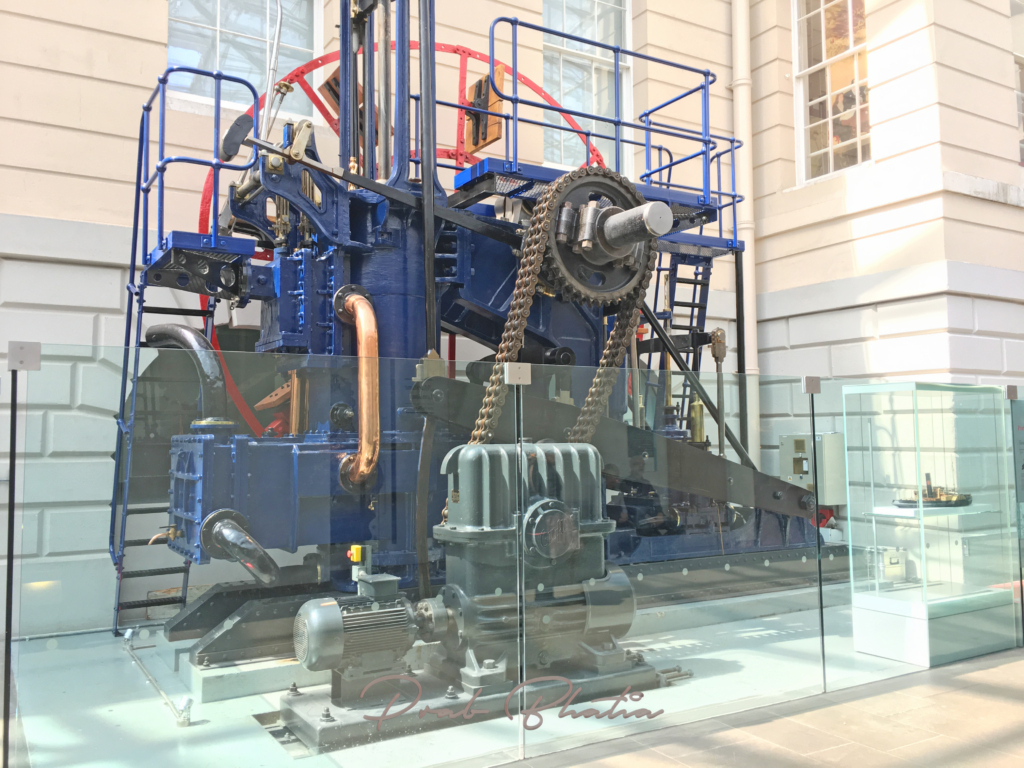
One breath of saline air, one glimpse of a ship’s model, one creak of old timber — and suddenly you’re young again, standing in an engine room, sweat on your brow, steel under your boots, the ocean’s moods humming through the hull.
This is where the descent begins.
GREENWICH — WHERE TIME AND TIDE CONVERGE
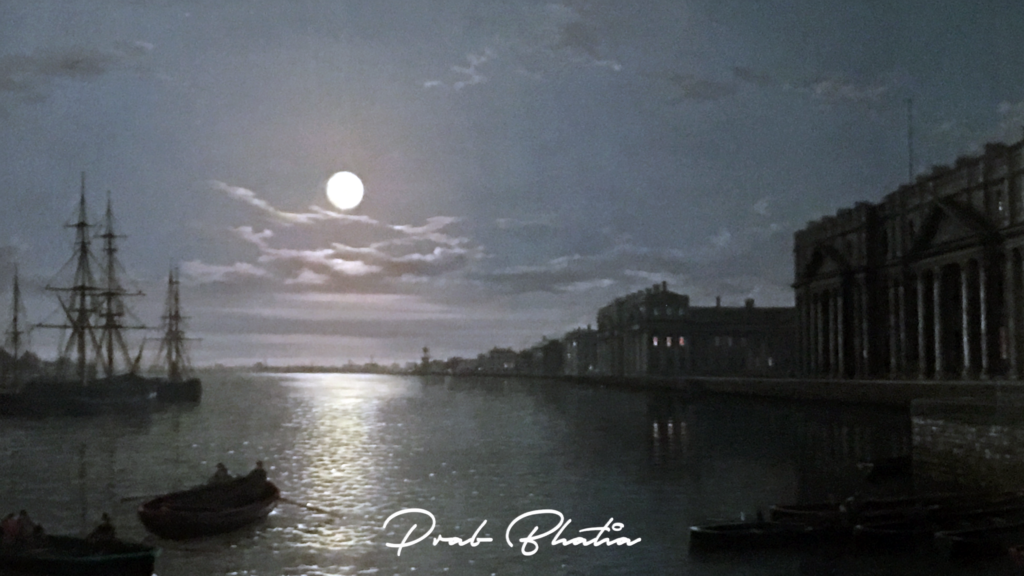
The museum sits on the southern bank of the Thames, in Greenwich — a place where maritime history isn’t displayed; it lives. Step outside and the river is right there, moving with the same rhythm that carried East Indiamen, tea clippers, tramp steamers, tankers, and container giants across centuries.
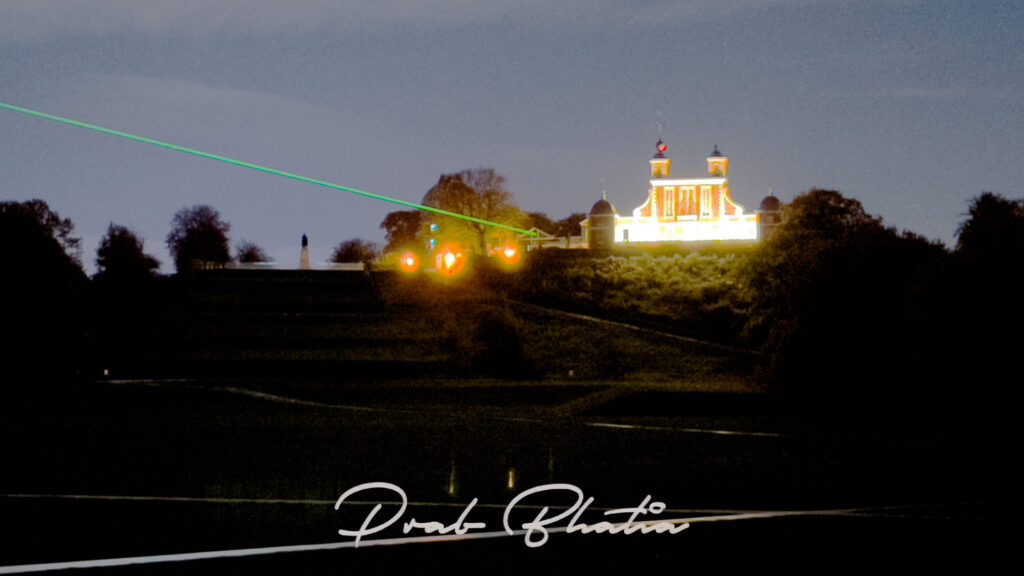
A stone’s throw away lies the Prime Meridian Line, the invisible seam that divides the world into east and west. Stand with one foot in each hemisphere and you realise: mariners have always lived exactly like that — between worlds, between time zones, between land and sea, between youth and adulthood.
Greenwich is not a location. It is a state of mind.
THE PRINCE’S GOLDEN BARGE — MAJESTY ON THE WATER
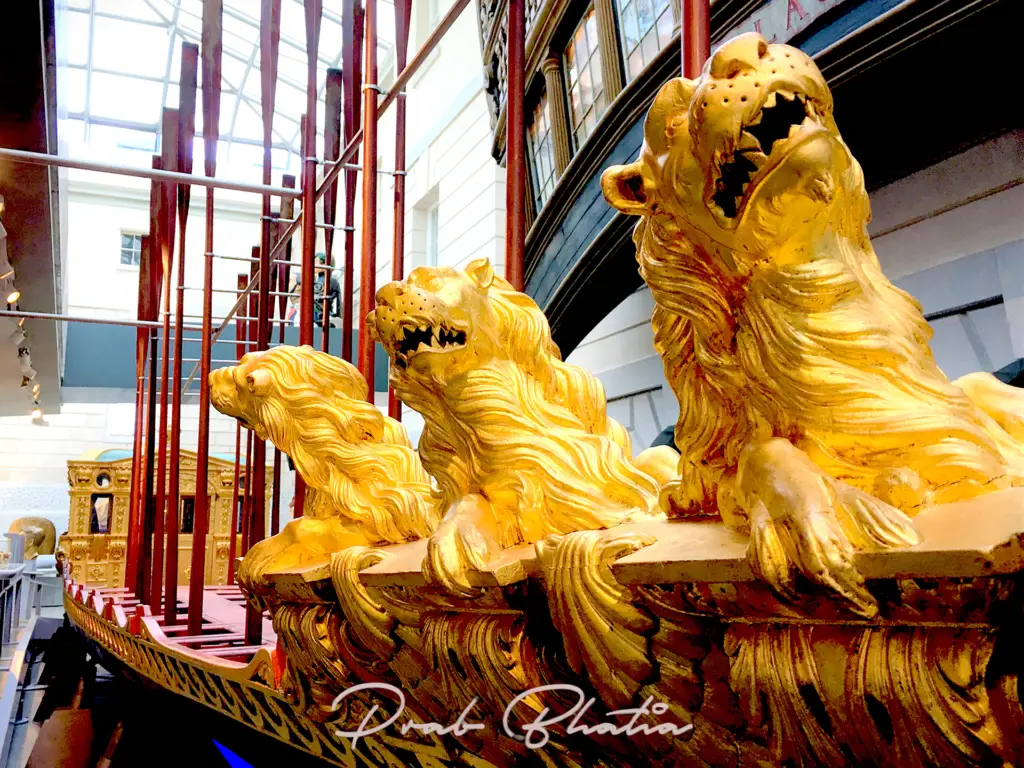
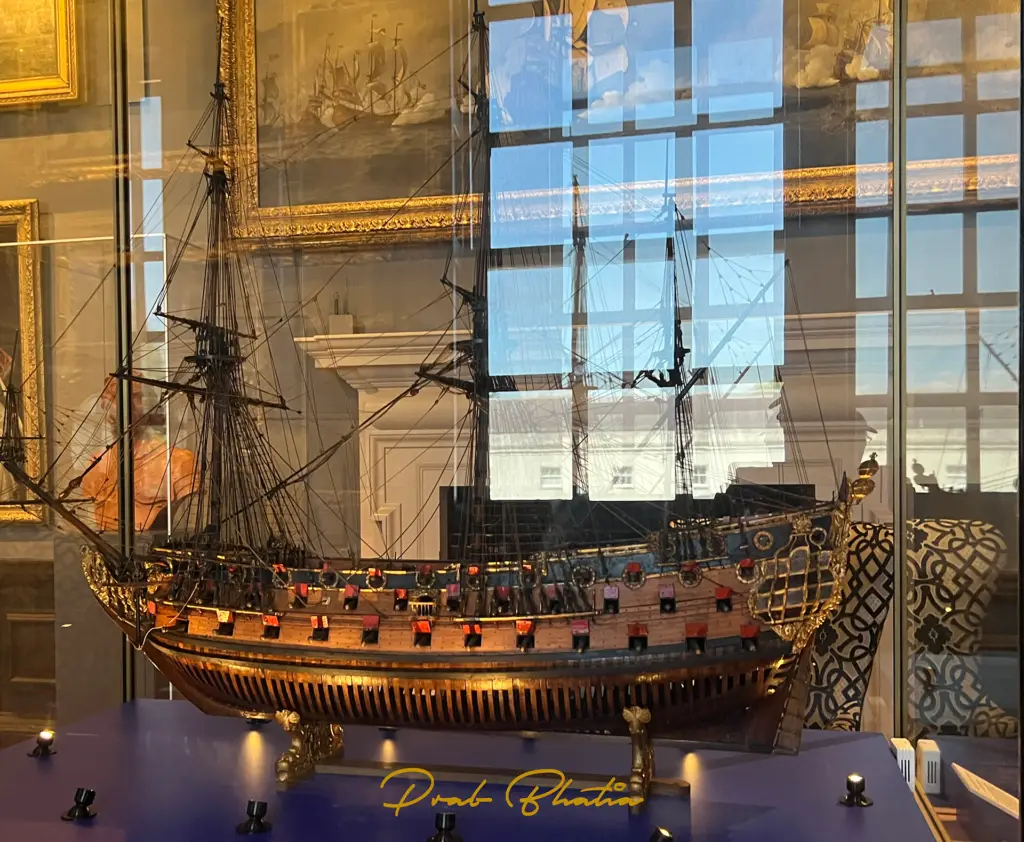
Among the treasures displayed is the model of the prince’s ceremonial barge — a gilded masterpiece crowned with three roaring lion heads. It is impossible to walk past it without stopping. The craftsmanship is breathtaking: the carved manes, the fierce expressions, the red oars rising like a fan behind the bow. This was not a vessel for war or trade, but for spectacle — a floating symbol of royal power gliding along the Thames. Standing before it, you feel the weight of centuries when rivers were highways of ceremony, diplomacy, and pageantry.
THE QUEEN’S HOUSE — ART BESIDE THE SEA
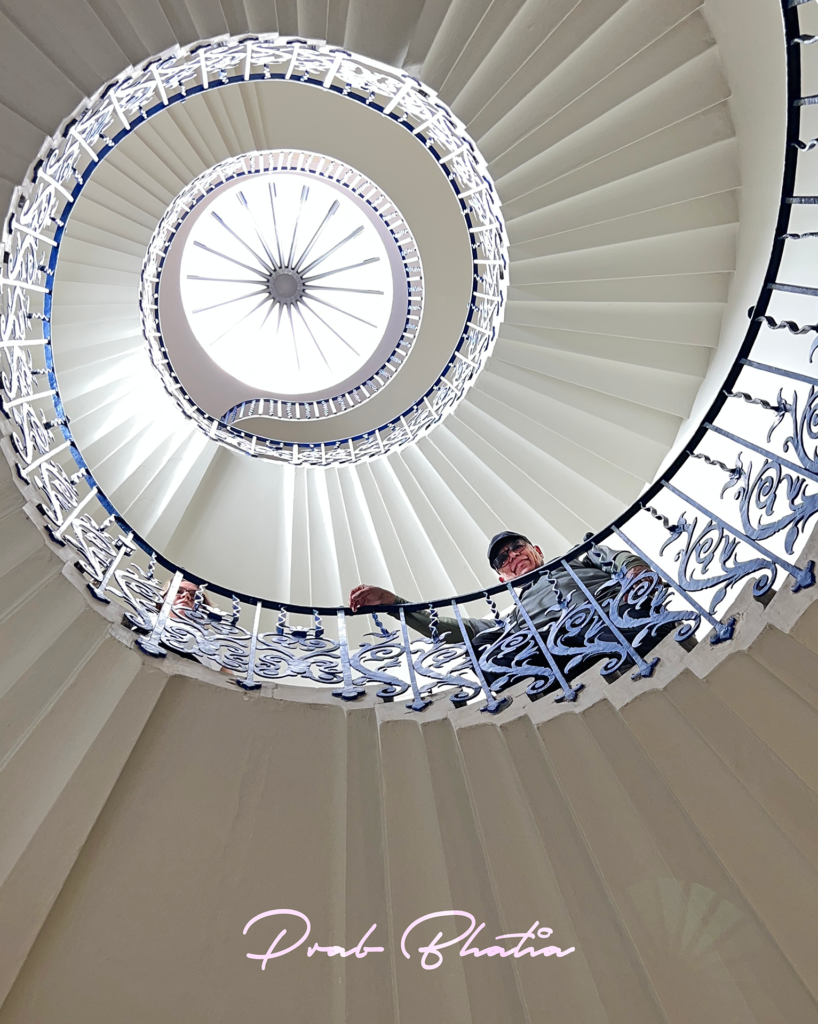
Just next door stands the Queen’s House, serene and elegant — a white cube of perfect proportion, a building that changed the course of British architecture.
Inside, the sea becomes art.
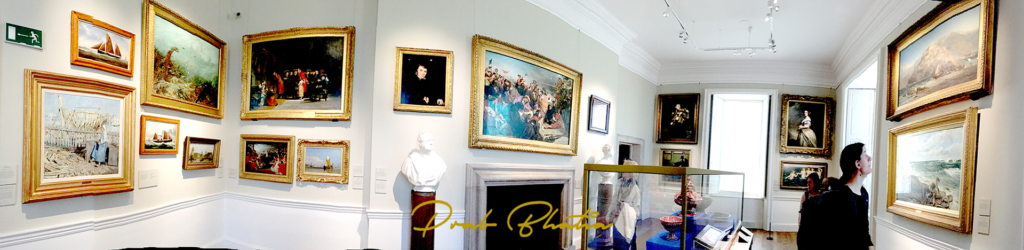
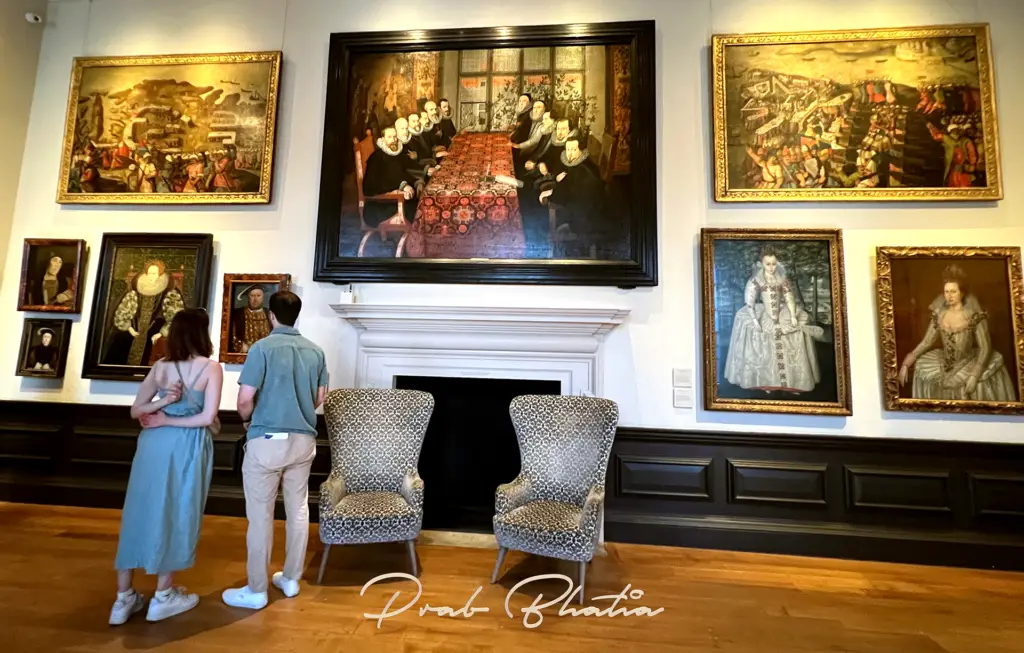
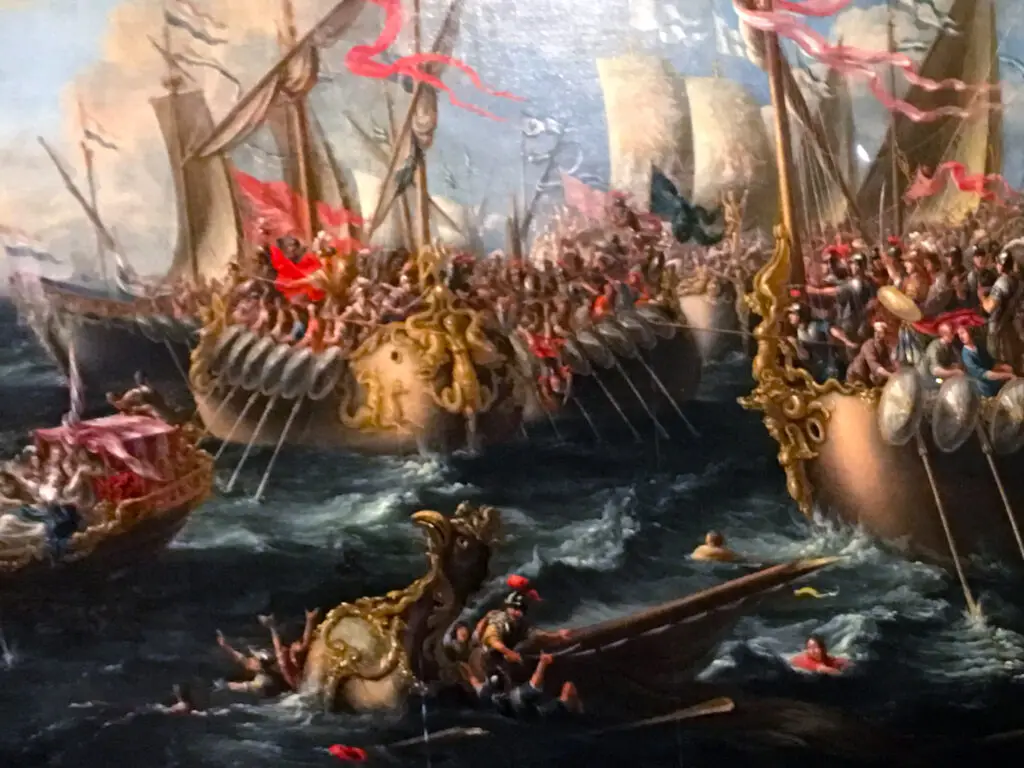
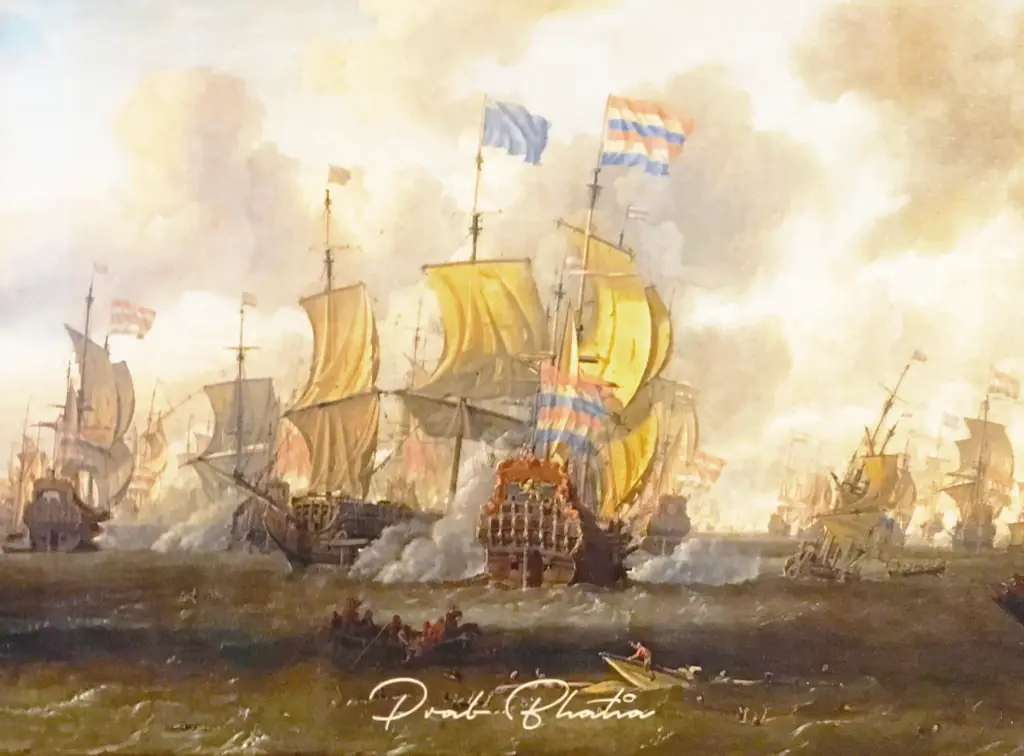
Royal portraits, naval epics, storm-lit horizons, and Turner’s Battle of Trafalgar — vast, controversial, and still capable of stirring a room into silence. The Queen’s House is the aesthetic counterpoint to the National Maritime Museum. If the museum is the engine room of maritime memory, the Queen’s House is its gallery — where the ocean becomes colour, canvas, and imagination.
MERMAIDS — THE ETERNAL DREAM OF SAILORS
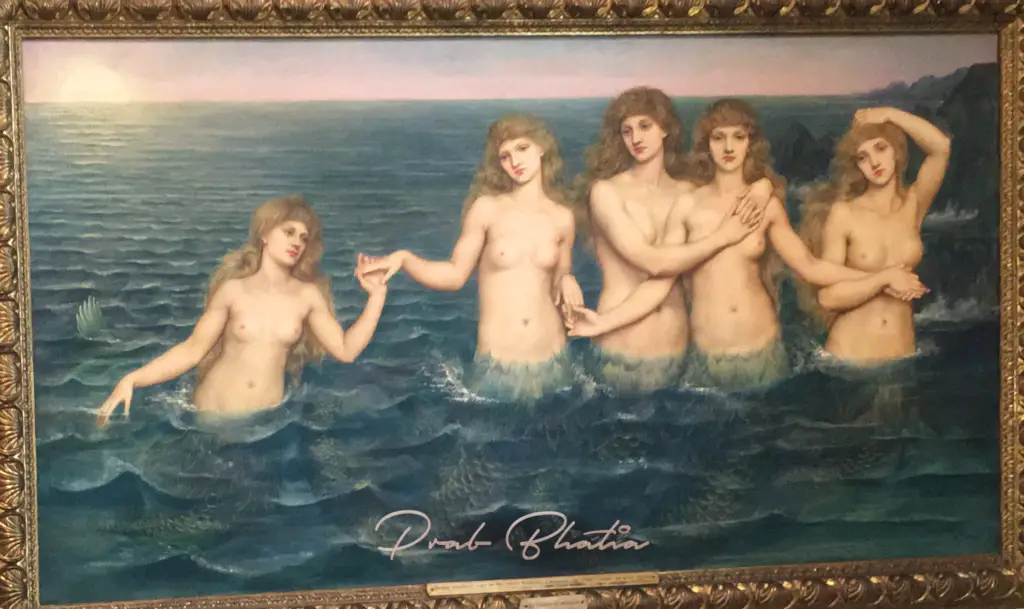
And then there are the paintings of mermaids — those mythical sea maidens sailors swore they glimpsed in distant oceans but never truly found. The canvas shows them rising from the waves, hand in hand, illuminated by a horizon that could be dawn or dusk.
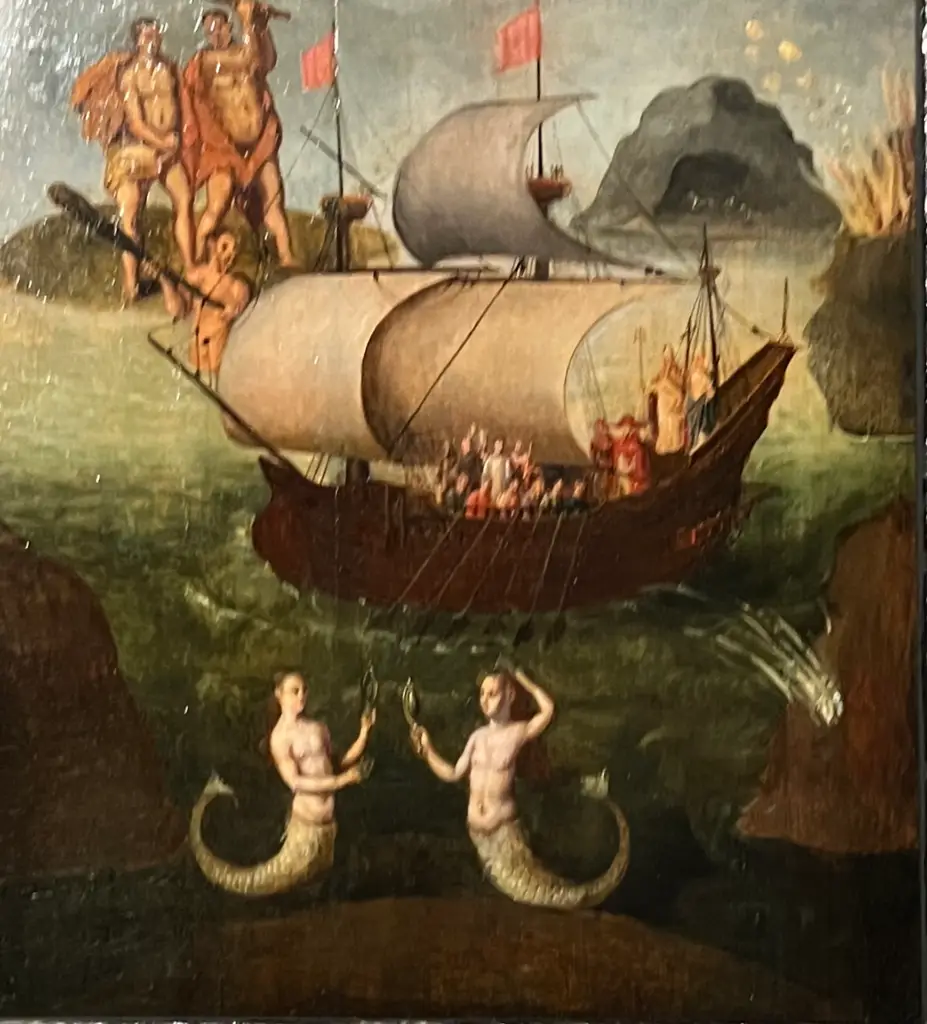
For centuries, sailors looked for signs of them in the foam, in the spindrift, in the shimmer of moonlight on water. These paintings capture that longing — the belief that the sea held not just danger and duty, but beauty, mystery, and enchantment.
They remind us that every sailor carries two maps: one of the real world, and one of the imagined.
THE QUEEN’S HOUSE — WHERE GHOSTS AND CINEMA MEET
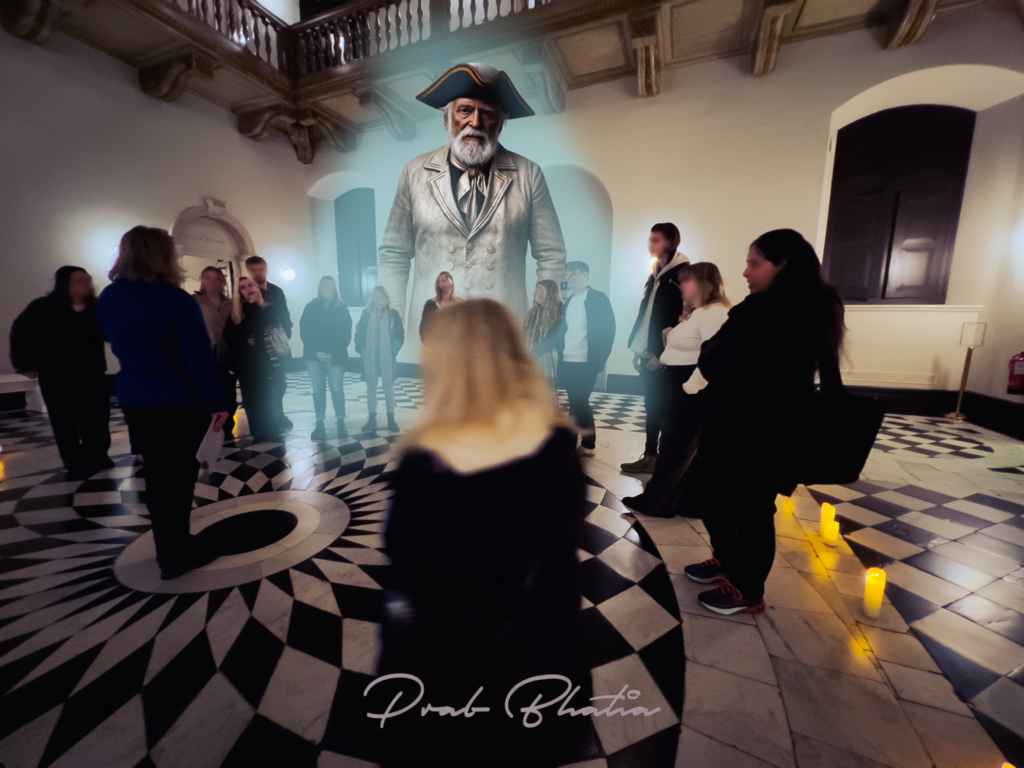
And then there is the Queen’s House — that serene white cube of perfect geometry — which transforms at night into something entirely different. The hall with its swirling black‑and‑white marble floor becomes a stage for organised ghost‑story sessions, where spectral figures from maritime history are projected into the room and visitors gather in a circle to listen. The atmosphere is uncanny: dim lights, flickering reflections, and the sense that the past is leaning in.
It’s no surprise that this very hall has appeared in numerous British and Hollywood films. You’ve seen it on screen even if you didn’t realise it — its symmetry, its staircase, its marble vortex, its echoing acoustics. Directors love it because it feels timeless, haunted, and cinematic even when empty. Standing there, you understand why: the room doesn’t just hold history; it performs it.
During these ghost‑story evenings, the Queen’s House becomes a portal between centuries — theatre, folklore, and remembrance woven together. Visitors stand in the same space where actors, directors, and camera crews once staged scenes of intrigue and drama. In that moment, you feel the strange overlap of myth, cinema, and maritime memory.
Ghosts In the Galleries
The museum staff occasionally speak of the ghosts of captains who died at sea — men whose logbooks ended mid‑sentence, whose last words were swallowed by storms. Their presence isn’t treated as superstition but as folklore, the kind sailors have always carried like talismans.
Walk through the galleries and you feel it: the weight of lives lived on water, the silence of men who never returned, the echo of footsteps that don’t belong to visitors.
The museum is a shrine to those who sailed into eternity.
LONDON — ONCE THE BEATING HEART OF SHIPPING
The museum also reminds you of a London that no longer exists — a city where shipping companies filled entire districts:
Names that once meant shipowners, brokers, chandlers, insurers, agents — the entire machinery of global trade.
And at the centre of it all stood Lloyd’s of London, which began not in a skyscraper but in a humble coffee shop. Captains, merchants, and insurers gathered over steaming cups to trade news of ships, storms, and fortunes won or lost. Today, Lloyd’s sits inside a gleaming cathedral of glass and steel, but its soul still smells faintly of coffee, ink, and sea-salt.
THE HUMAN TIDE — SEAFARERS WHO MADE BRITAIN HOME
London’s maritime world was never only about ships, companies, and cargo. It was also about people — thousands of merchant seamen from distant shores who arrived on British vessels and, over generations, made Britain their home. From African and Caribbean sailors to Arab firemen, Chinese stewards, and South Asian Lascars, many settled in port cities like London, Liverpool, Cardiff, Bristol, and South Shields. They married, raised families, and quietly became part of the social fabric long before modern migration reshaped Britain. Their stories rarely appear in textbooks, yet they are woven into the maritime soul of this island — a reminder that the sea connects not just places, but people.
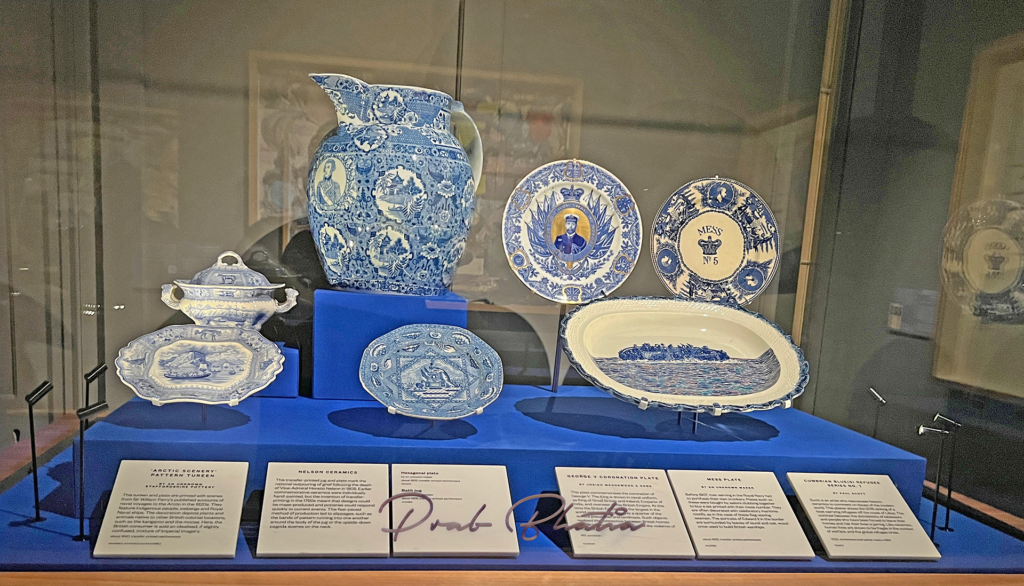
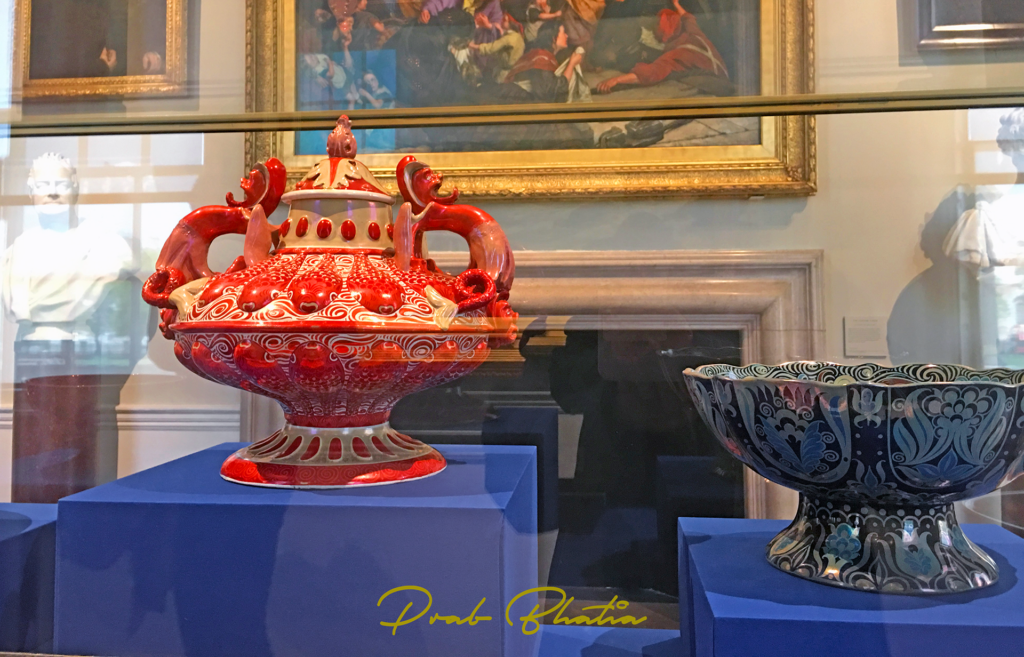
Among the artefacts displayed are pieces of Chinese pottery — reminders that the movement of people was always intertwined with the movement of goods. Trade brought ships, ships brought sailors, and sailors brought new communities that quietly became part of Britain’s story. Without sailors, there are no ships, and without ships, there is no trade.
THE LIBRARY OF THE SEA — AND A MISSING VOICE
The museum’s library holds hundreds of books written about the sea — memoirs, logbooks, histories, yarns, tragedies, and triumphs.
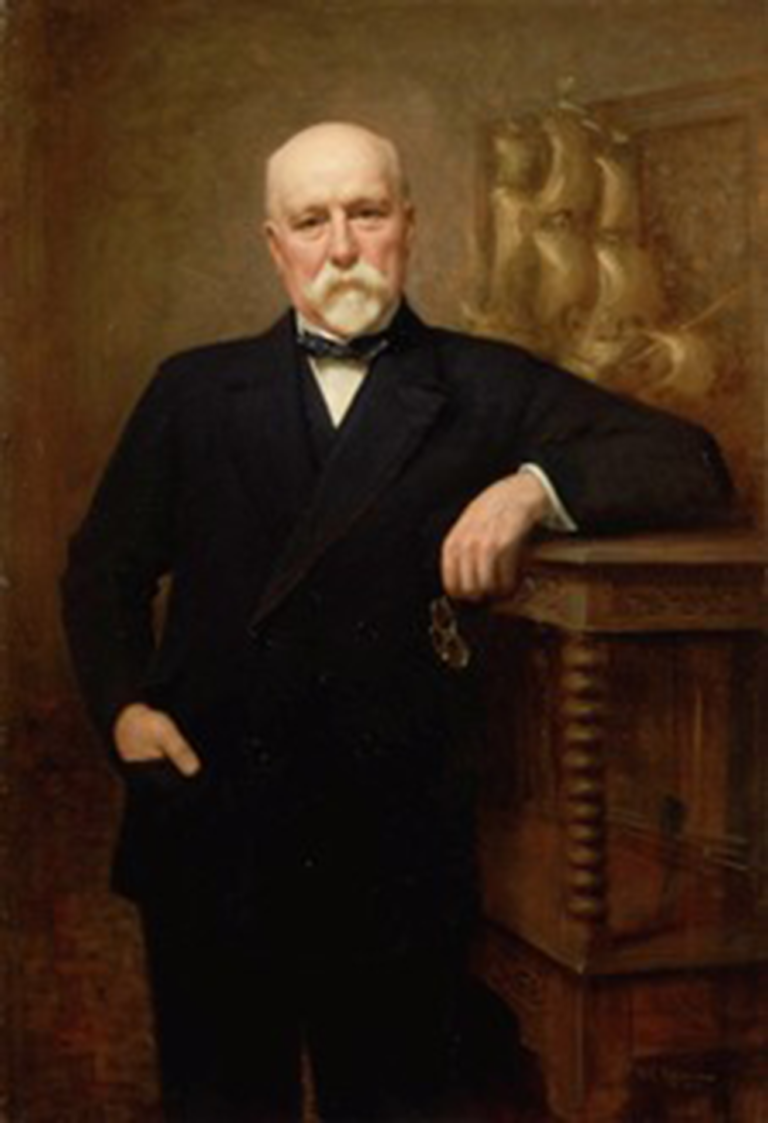
But one voice is missing: Sir Walter Runciman (1847–1937) — the boy who left home at eleven to work on ships, became a captain, then a shipowner, and eventually one of the most respected figures in British shipping. [Looking Seaward Again, Before the Mast — And After: The Autobiography of a Sailor and Shipowner, Windjammers and Sea Tramps, Sunbeam” in the Mediterranean 1928, The Man with the Shark Eyes, Sunbeam in 1922: The Private Log of Sir Walter Runciman, Sunbeam II.” in 1934, Wagner.
His life reads like a novel:
Apprentice in a coal brig at age 12
Sailor in small sailing ships
Officer in steamships
Shipowner at South Shields
Founder of the Moor Line
President of the Chamber of Shipping
Author of several books, including Before the Mast—and After
Sir Walter Runciman was the first owner of the house on Westoe Road, South Shields — the very house that belongs to me today.
That is not just history. That is inheritance. A living thread between my life and the maritime world I am writing about.
Sir Walter Runciman
THE PORTRAIT THAT WATCHES YOU BACK
His portrait shows him exactly as history remembers him: A man of strong character, respected for his individualism, geniality, and kindliness. He stands with his glasses in hand, a model sailing ship behind his shoulder — a reminder of the world that shaped him and the world he shaped in return.
He looks out of the canvas as if he knows you’re reading about him. As if he knows I own the house he once lived in. As if he approves of this story being told.
OUR GENERATION — THE BRIDGE BETWEEN ERAS
We sailed in an era of transformation:
From manual control to remote control to full automation
From ships with 50+ crew to vessels running with barely 16 people
From port stays of a week to turnarounds in a few hours
From modest tankers to ULCC giants of 500,000 DWT
From small container ships to 24,000 TEU behemoths
From simple calculators to fast computers
From telex to fax to satellite communication to internet
We were also the last generation of engineers who relied on all five senses to keep a ship alive. Before automation arrived, machinery spoke to us in ways modern systems no longer require — the colour of a flame, the pitch of a pump, the warmth of a bearing under the palm, the smell of fuel in the air, even the taste of salt in a leaking line. We didn’t just operate engines; we sensed them. Today’s engineers depend on sensors, alarms, and diagnostics, but we depended on instinct, experience, and the quiet dialogue between man and machine. We were the last to know the old ways, the first to adapt to the new. We lived through the transition from grease to gigabytes. We were the bridge generation — and bridges are built to connect worlds.
THE DESCENT — INTO MEMORY, MACHINERY, AND MISCHIEF
The museum doesn’t just remind us of ships. It reminds us of ourselves.
The junior engineer mischief. The camaraderie. The shared suffering. The shared laughter. The shared sense that we were part of something larger than ourselves.
Two engineers per watch. An oilman. A ship that demanded hands-on respect. No automation to hide behind. Just gauges, levers, instincts — and the quiet confidence of knowing the machinery trusted you because you trusted it.
THE ASCENT — BACK TO THE SURFACE
And when you finally step out of the museum, Greenwich feels different. The Thames looks older. The Prime Meridian feels personal. The ghosts feel familiar. The portrait of Runciman feels like family. The Queen’s House feels like a sanctuary of maritime imagination.
You realise something simple, profound, and impossible to ignore:
We never really left the sea. We just came ashore for a while.
6 thoughts on “GHOSTS, SHIPS, AND THE MEN WHO SAILED BETWEEN WORLDS”

Well written and illustrated PSB.
Thanks Darryl!. You were there for half the mischief behind this blog — glad it reads well.
Yes, truly well written👍🏾👏🏻,
Maybe the next blog could be about some of your escapades that enthrall landlubbers like me😜
Thanks, Greg! Escapades, you say… I might have a few sea yarns tucked away. Let’s see what surfaces next.
Very well written PS…all Mariners can relate to it and will find it very interesting 👍
Thanks, Naresh — appreciate it. Always good to hear when a fellow mariner connects with it.