

Mise-en-scène is a sophisticated French term meaning “placing on stage.” In film, it refers to every visual element within a shot, encompassing set design, actor placement and movement, costumes, lighting, colours that set the mood, props, camera angles, and more. When all these elements are arranged to the director’s satisfaction, the scene is considered “blocked.” At this point, no further changes can be made until filming begins and the director calls “cut.” The success of a film depends not only on a compelling story, but also on the director’s vision, the actors’ talent, and competence of the entire crew—along with the technology and equipment involved.
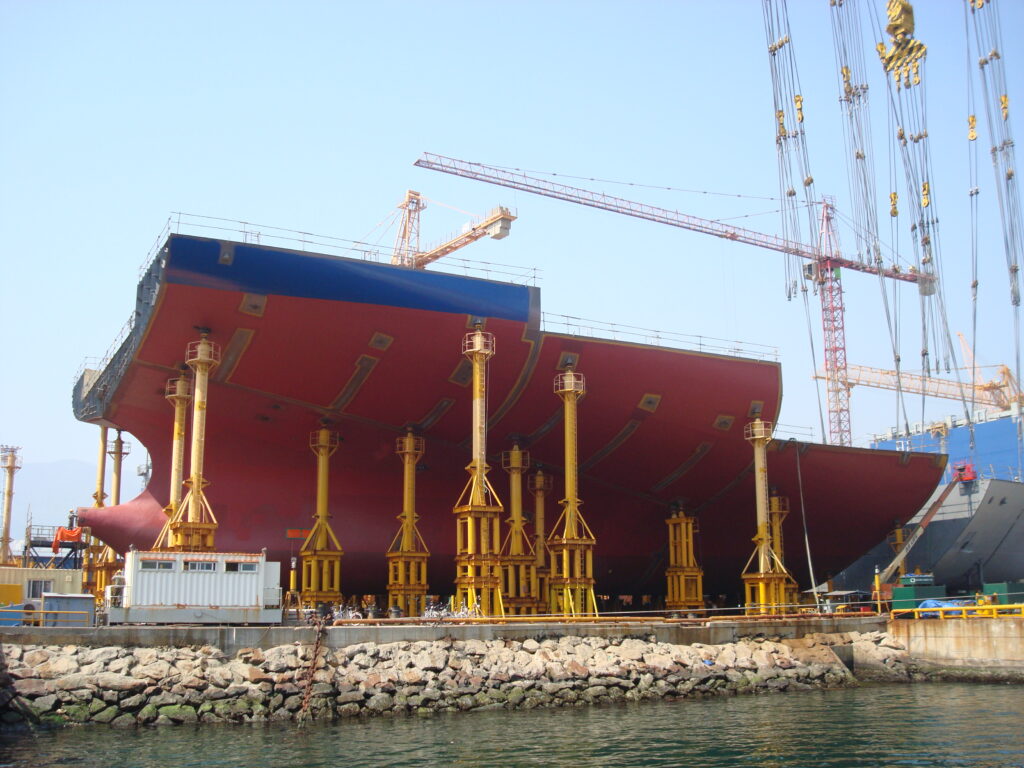
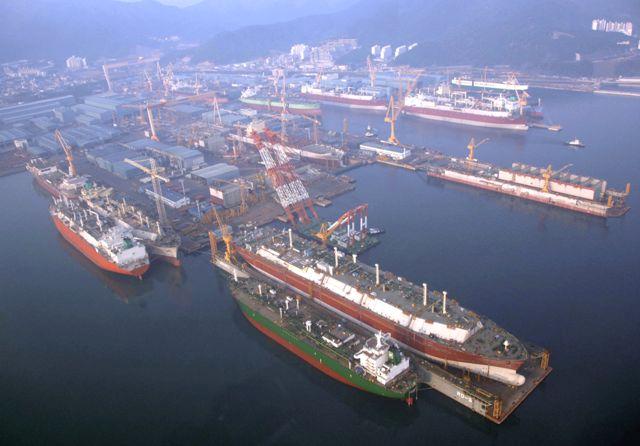
Building a large ship from scratch follows a similar process, though on a far greater scale and with significantly more complexity and far-reaching implications. The word “shipbuilding” subsumes a vast array of elements, starting from a concept and clear vision to government approvals, financing, meticulous planning, coastal land, shipyard infrastructure, blueprints, machinery, supply chains, utilities, and, most critically, the workforce—welders, engineers, project managers, accountants, safety inspectors, security personnel, and quality control experts, among many others. Binding these elements is the glue of good mindset, integrity and personal traits necessary for successful outcome. Rising above the basics, to be successful and trendsetter, one must have passion to succeed, to be the best in the trade, knowledgeable and supporting a mindset that nothing is insurmountable, ferocity of a lion and not sheep in a herd or head- nodding donkey. This applies not just to shipbuilding but every other field of one’s chosen profession.
India produces more films than any other country in the world, but this success is not mirrored in its shipbuilding sector. Considering India’s extensive coastline of nearly 7,000 km, abundant labour force, and high unemployment, it would seem natural for the country to have developed a strong shipbuilding industry—especially one with immense export potential, opportunities for import substitution, and the ability to create hundreds of thousands of jobs across shipyards, supply chains, and infrastructure. The sector also holds significant promise for country’s present and future defence needs, research and development, and technological leadership and potential to create new products. There is a huge empty space for development crying to be filled.
Yet, despite 77 years of independence, India has made little progress in achieving a notable position in the global shipbuilding industry.
While some politicians and penpushers may disagree and find criticism offensive, crowing about India’s status as the world’s fifth-largest economy and its position as the sixth-largest shipbuilding nation, this narrative is more about optics than reality. In truth, India represents a minuscule 0.06 percent of the global shipbuilding market, valued at $220.52 billion. By contrast, China, South Korea, and Japan dominate the sector, raking in a staggering 85 percent of global production.
Moreover, India’s contribution often consists of smaller vessels—the kind that larger shipbuilders bin in favour of more lucrative, large-scale projects. As a cyclical industry, shipbuilding sees Indian shipyards scrambling for survival when the market contracts. Only during the next upward trend—after years of inactivity—do governments and financial institutions awaken, eager to chase after fleeting opportunities. But by the time they regurgitate outdated data and produce long-winded analyses with the hope of making a killing at global stage, major established players are already poised to launch the next generation of vessels.
Simply put, India’s role in the shipbuilding industry remains marginal. To rank the country alongside the world’s leading shipbuilders is, at best, wishful thinking.