


1. How Media is Used as an Instrument of Control
A. Selective Reporting (Narrative Control)
- Media outlets highlight certain events while ignoring others to fit a political agenda.
- Double standards in reporting human rights abuses (e.g., condemning one country while ignoring the same actions by an ally).
- Examples:
- Ukraine War (2022-Present) – Western media focuses on Russian aggression but downplays NATO expansion and previous U.S. interventions.
- Palestine-Israel Conflict – Some media portray Israel’s actions as “self-defence” but call Palestinian resistance “terrorism.”
- Saudi-Yemen War – The Saudi-led bombing campaign in Yemen receives little coverage compared to conflicts involving U.S. adversaries.
B. Fake News (Fabricating Narratives)
- Sometimes, completely false stories are planted in the media to justify military action or economic sanctions.
- Examples:
- Iraq (2003, Weapons of Mass Destruction – WMDs) – U.S. media repeatedly reported that Saddam Hussein had WMDs, which turned out to be false.
- Libya (2011, Gaddafi’s “Mass Rape Camps”) – False claims that Gaddafi distributed Viagra to soldiers for mass rape were later debunked.
- Syria (2018, Chemical Weapons Attack in Douma) – Evidence later suggested the attack may have been staged, but it was used as justification for U.S. airstrikes.
C. Misinformation (Manipulating Truth)
- Misinformation is misleading or partially true information that is framed to give a false impression.
- Examples:
- Hong Kong Protests (2019) – Media portrayed violent protesters as peaceful activists, ignoring their attacks on civilians and police.
- Belarus Protests (2020) – Western media labelled Lukashenko a dictator, while ignoring that opposition protests were backed by foreign intelligence groups.
- Uighur “Genocide” in China – Reports of genocide are widely spread, but lack concrete evidence, with many claims coming from unreliable sources linked to U.S. think tanks.
D. Disinformation (Deliberate Lies & Psychological Warfare)
- Disinformation is intentional deception—spreading false information to manipulate public perception.
- Often used by intelligence agencies like the CIA, MI6, and other Western-backed think tanks.
- Examples:
- Russia Election Interference (2016) – Many reports claimed Russia manipulated U.S. elections, but later evidence was weak or inconclusive.
- Bucha Massacre (2022, Ukraine War) – Some reports suggested Russia was solely responsible, but independent investigations revealed conflicting accounts.
- Tiananmen Square Massacre (1989, China) – Western media claimed thousands were killed in the square, but actual killings happened in clashes outside the square.
2. How Media is Controlled
A. Corporate Media Ownership (Centralized Narrative)
- Most major media networks are controlled by a few corporations that have ties to governments and financial elites.
- Who Owns the News?
- CNN, ABC, NBC, Fox News – Owned by a handful of U.S. corporations (Disney, Comcast, NewsCorp).
- BBC, Reuters – Close ties to UK intelligence and government.
- Al Jazeera – Funded by the Qatari monarchy, sometimes aligned with Western interests.
B. Intelligence Agency Influence (Operation Mockingbird)
- Operation Mockingbird (CIA Program in the 1950s-1970s) – The CIA infiltrated mainstream media to control narratives.
- Many modern journalists have deep connections to intelligence agencies.
- Example: U.S. media outlets often get “anonymous intelligence sources”, which are never verified but used to push certain geopolitical agendas.
C. Social Media Censorship & Fact-Checking Manipulation
- Twitter, Facebook, YouTube, and Google are actively censoring alternative viewpoints.
- “Fact-checkers” are often funded by Western think tanks with political agendas.
- Examples:
- Hunter Biden Laptop Story (2020) – Labelled “Russian disinformation” before the U.S. elections, but later proven to be true.
- COVID-19 Lab Leak Theory (2020-2021) – Initially censored, later accepted as a credible possibility.
3. Media as a Pretext for War (Casus Belli)
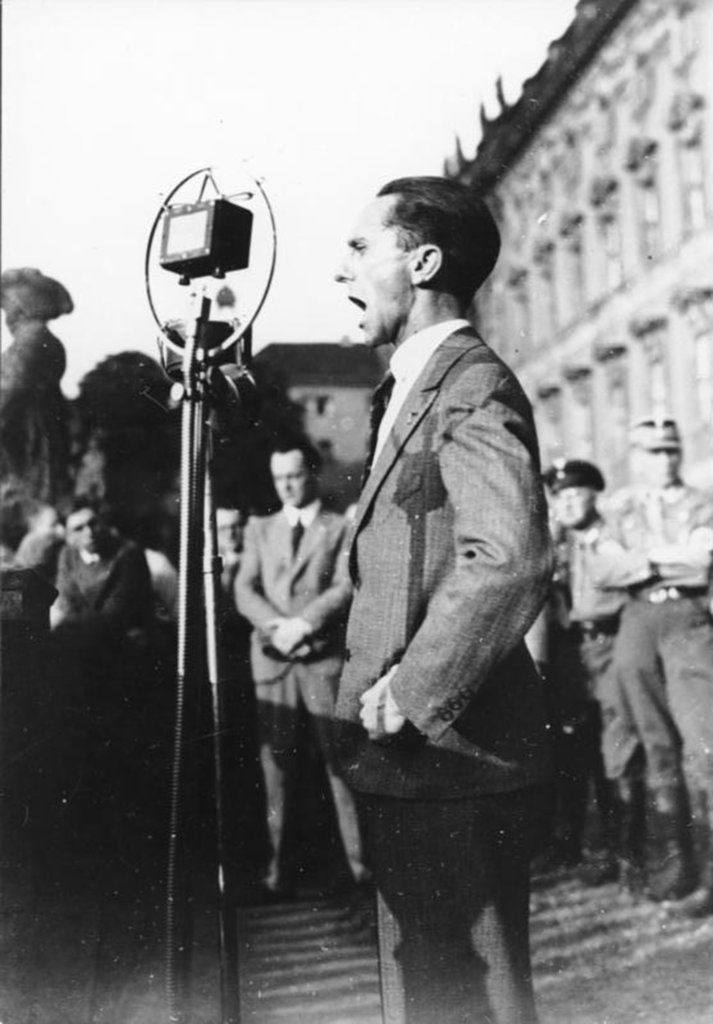
Many wars have been manufactured through media manipulation.
A. Gulf of Tonkin Incident (Vietnam War, 1964)
- The U.S. falsely claimed that North Vietnamese boats attacked a U.S. ship.
- Used as a pretext to launch the Vietnam War.
B. Kuwaiti Incubator Babies (1990)
- A fake story that Iraqi soldiers threw Kuwaiti babies out of incubators was used to justify the 1991 Gulf War.
- The girl who testified (Nayirah) was the daughter of the Kuwaiti ambassador, coached by a U.S. PR firm.
C. Syria Chemical Weapons Attacks (2013, 2017, 2018)
- Reports that Assad used chemical weapons were used to justify U.S. missile strikes.
- Later evidence suggested that some attacks were staged or exaggerated.
4. Wars Are Now Media Wars
In modern conflicts, winning the information war is as important as military victories.
Governments don’t just fight battles on the ground—they fight to control narratives through media.
Modern Examples
- Ukraine War (2022-Present) – Social media campaigns frame Ukraine as the sole victim, downplaying NATO’s expansion and past actions.
- China & Taiwan Conflict – Media pushes a “China invasion” narrative to justify U.S. military presence.
- Iran Protests (2022-Present) – Western outlets highlight anti-government protests while ignoring pro-government demonstrations.
Final Thoughts: The Media as a Weapon
- Media is no longer just about reporting news—it’s a tool for war, control, and propaganda.
- Selective reporting, fake news, misinformation, and disinformation are all weapons used to justify interventions, sanctions, and regime change.
- The public is often manipulated into supporting wars that benefit elite interests.
Psyops and Gaslighting in Public Manipulation
Both psychological operations (psyops) and gaslighting are techniques used to manipulate public perception, control narratives, and influence behaviour. These methods are frequently employed by governments, intelligence agencies, corporate media, and political groups to shape public opinion, justify wars, and maintain control over populations.
1. What are Psychological Operations (Psyops)?
Psyops (Psychological Operations) refer to strategic information campaigns designed to manipulate emotions, beliefs, and behaviours to achieve a political, military, or social objective. These operations can be carried out by governments, intelligence agencies, militaries, or media organizations.
Key Characteristics of Psyops:
✔ Deception & Misinformation – Spreading false or misleading information to create confusion.
✔ Emotional Manipulation – Using fear, nationalism, moral outrage, or hope to control public perception.
✔ Social Engineering – Exploiting psychological vulnerabilities to provoke desired actions.
✔ Media Control – Leveraging mainstream media, social media, and influencers to push narratives.
✔ Long-Term Influence – Psyops often shape public perception over time, making people accept propaganda as truth.
Historical Examples of Psyops:
🔹 Operation Northwoods (1960s, USA) – A proposed false flag operation where the U.S. government planned to commit acts of terror against Americans to justify invading Cuba. It was never executed but revealed how far governments might go.
🔹 Iraq War (2003, WMDs Lie) – The U.S. government used fabricated evidence of Weapons of Mass Destruction (WMDs) to justify the Iraq invasion, leading to over 1 million deaths.
🔹 Arab Spring (2011) – Social media campaigns encouraged anti-government protests in the Middle East, leading to regime change in Libya, Egypt, and Syria. Many movements were covertly backed by Western intelligence agencies.
🔹 COVID-19 Narrative Control (2020-Present) – Governments and media censored alternative viewpoints, used fear-based messaging, and labeled skeptics as “conspiracy theorists” to control pandemic policies.
🔹 Ukraine-Russia War (2022-Present) – Western media portrays Ukraine as the sole victim, ignoring NATO’s role in escalating the conflict while suppressing dissenting opinions.
🔹 Colour Revolutions (Georgia 2003, Ukraine 2004, Belarus 2020) – CIA-backed movements used media, NGOs, and protests to install pro-Western governments under the guise of democracy.
🔹 George Floyd Protests & BLM (2020, USA) – While initially about racial justice, corporate media amplified tensions, leading to riots and chaos that benefited political elites.
2. What is Gaslighting?
Gaslighting is a psychological manipulation technique where people are made to doubt their own perception, memory, and reality. It is commonly used in propaganda, politics, and media to keep the public confused, obedient, and passive.
Key Characteristics of Gaslighting:
✔ Denial of Reality – Even when evidence is overwhelming, media and politicians deny the truth.
✔ Reversing Blame – Victims of manipulation are blamed for their suffering.
✔ Contradictory Messaging – Changing narratives frequently to disorient people.
✔ Silencing Dissent – Labeling those who question narratives as extremists or conspiracy theorists.
✔ Rewriting History – Altering past events to fit current political needs.
Historical & Modern Examples of Gaslighting:
🔹 The Great Recession (2008) – Banks crashed the economy, but the public was told to “tighten their belts” while Wall Street was bailed out.
🔹 Iraq War (2003) – After no WMDs were found, the U.S. shifted the narrative to “spreading democracy,” gaslighting the world about the real reasons for the war.
🔹 Julian Assange & Edward Snowden – Instead of focusing on government crimes, the media framed whistleblowers as “threats to national security.”
🔹 U.S. Border Crisis – Depending on which party is in power, media either amplifies or downplays illegal immigration as a crisis.
🔹 Mandates & Lockdowns (COVID-19, 2020-2022) – Governments enforced extreme measures but later pretended they never supported them, gaslighting the public.
🔹 Climate Change Hypocrisy – While people are told to reduce carbon footprints, billionaires and politicians fly in private jets to climate summits.
🔹 Israel-Palestine Conflict – Media shifts narratives constantly to justify actions of allies while condemning others for the same behavior.
3. How Psyops & Gaslighting Work Together
🔹 Step 1: Create a Narrative (Psyops) – Use media and influencers to spread a false or exaggerated story.
🔹 Step 2: Control Public Perception – Censor alternative views and amplify fear, outrage, or loyalty.
🔹 Step 3: Reverse the Truth (Gaslighting) – When caught, deny wrongdoing and blame victims or enemies.
🔹 Step 4: Normalize the Lie – Keep repeating until it becomes “common knowledge” (e.g., WMDs in Iraq).
🔹 Step 5: Attack the Skeptics – Label those who question the narrative as extremists, conspiracy theorists, or threats.
4. Final Thoughts: The War on Truth
In today’s world, psyops and gaslighting are weapons of mass deception. Governments and elites use them to control public perception, justify wars, crush dissent, and maintain power.
✔ Are you feeling overwhelmed by contradictions in the news? You might be experiencing gaslighting.
✔ Do major events always seem to benefit the same elites? It’s likely a psyop at play.
🔍 Question everything. Follow independent sources. Seek truth beyond propaganda.
How “Van der Smackery” Fits into Psyops & Gaslighting
Psyops Connection:
- It aligns with psychological operations (psyops), where misinformation is spread to manipulate public perception of a conflict.
- Military and political leaders often use it to convince their population that victory is easy, even when evidence suggests otherwise.
- Examples:
- Nazi Germany underestimating Soviet strength in WWII before Operation Barbarossa.
- The U.S. dismissing the Viet Cong as an inferior force before the Vietnam War escalated.
- Western claims that sanctions would “crush” Russia’s economy but ending up strengthening Russian resilience instead.
Gaslighting Connection:
- It gaslights the public into believing a war or strategy is going well—even when reality says otherwise.
- If the enemy later achieves success, leaders shift blame elsewhere rather than admitting their miscalculations.
- Examples:
- “Russia is running out of missiles!” – Repeated media claims, yet missile strikes continue.
- “The Taliban will never take Kabul” – The Afghan government collapsed within weeks.
- “Iraq’s army will handle ISIS” – Then ISIS took half of Iraq in months.
Using “Van der Smackery” in Discussions
You can use it to critique policymakers, media narratives, and military overconfidence, for example:
- “The West’s response to the Ukraine conflict is pure Van der Smackery—underestimating Russian strategy while overestimating their own influence.”
- “NATO leaders engaged in Van der Smackery when they assumed economic sanctions would collapse Russia overnight.”
- “The U.S. did a classic case of Van der Smackery in Afghanistan—believing puppet governments and corrupt forces could hold their own.”
This phrase encapsulates the dangerous mix of arrogance, bad intelligence, and propaganda in modern geopolitics.