When I set out to write a book about India’s missed maritime opportunity, I didn’t expect the final chapter to turn into something closer to a national anthem—one not yet sung, but deeply needed.
In the language of cinema, mise-en-scène refers to the orchestration of everything within a frame: the lighting, the movement, the design—the visual grammar of storytelling. It’s how directors construct meaning, frame by frame.
Now imagine applying that same artistic precision—not to a film set—but to a shipyard.
Not to fiction, but to steel.
Not to a moment, but to an era.
Shipbuilding, like cinema, begins with vision. But instead of costumes and scripts, it calls for land, capital, design, infrastructure—and above all, collective ambition.
While a film may offer a few hours of escape, a ship serves a nation for decades. It drives trade, fortifies defence, generates jobs, and sparks technological innovation. A shipyard, in this sense, is a nation’s industrial mise-en-scène.
And yet—India, for all its cinematic genius, has let this industrial theatre remain dark.
We produce more films than any other country in the world. Every street is a film set. Every child learns to sing before they can speak. From tea stalls to traffic jams, weddings to WhatsApp, the air thrums with Bollywood melodies.
We are a nation of dancers and dreamers. But somewhere in this vast choreography of colour and sound, the sea was forgotten.
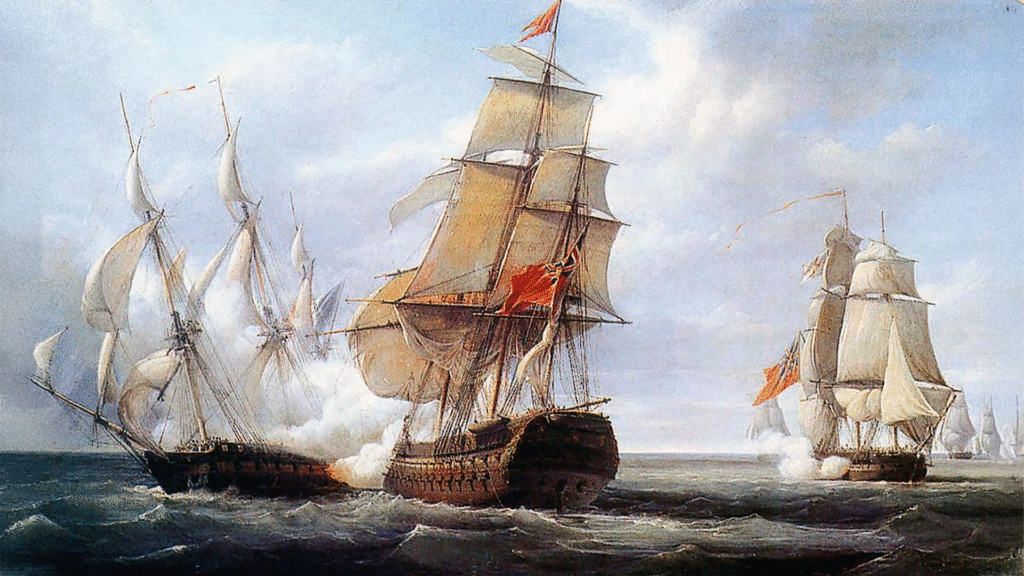
We once launched ships that crossed oceans. Our dockyards, like the legendary Bombay Dockyard, built vessels such as HMS Trincomalee and HMS Minden—now museum pieces in British naval lore, born of Indian hands.
But today, ask the average Indian about ships—and you’re likely to meet silence. Or worse, disinterest.
Meanwhile, countries like South Korea, Japan, and China have transformed coastlines into corridors of industrial strength. Their shipyards hum with purpose. Their nations build with intent.
India? It stood ashore—watching, hesitant, inward-looking.



Excellent thinking. To be a good shipbuilding nation, you need leadership with vision , people who follow the leadership, entrepreneurship.
Indians have been busy in movies , praying to god, or business men interested in making quick buck.
Now only the patriotism, nationalism and make in India wave has started.
Spot on, Rajan. It’s never too late to start moving.
Excellent thinking. To be a good shipbuilding nation, you need leadership with vision , people who follow the leadership, entrepreneurship.
Indians have been busy in movies , praying to god, throwing stones, protests or business men interested in making quick buck.
Now only the patriotism, nationalism and make in India wave has started.
The shipbuilding countries you mentioned have the culture of discipline, hard work , focus on the job and above all leadership, by the way of family owned shipyards, govt support etc.
When I went to IHI, Aioi shipyard for delivery of a bulk carrier, the cleaning lady, giving final touches to the accomodation asked me with pride, how I liked the ship?
You’re absolutely right. Those far east countries workers have discipline as well as patriotism. With good leadership anything is achievable. It’s possible in India too, just need to get rid of idol worshipping of the movie stars, song and dance and focus more on science and education – in this case shipbuilding. I think you’ll find the book interesting, especially the historical part which even I was not aware of until now. We need a step-change. We need more people like us to make a change.
It is high time we did to the shipping industry what we have done to the auto industry
So true. Too mush time has been wasted. Change takes time but we must start moving forward.
India’s vast coast line and its geographical location between the Far East and the Mid East gives it an unlimited opportunity to leverage the shipbuilding industry.
It’s a timely wake up call!
Absolutely, SKG. It’s about time we woke up.
A valuable contribution to the topic.
Thank you, Mark, for taking time to read my blog and sharing your thoughts.