
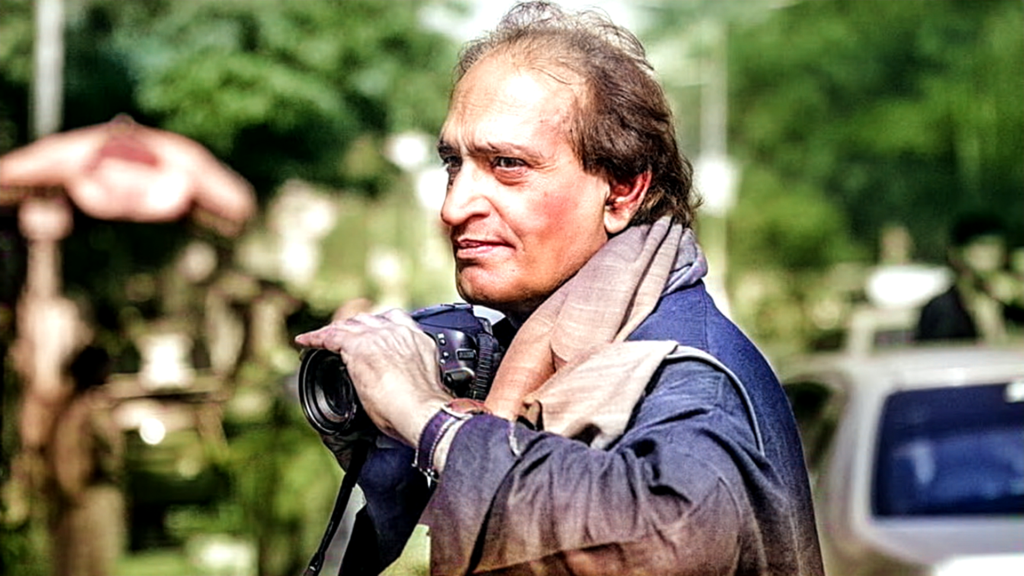
A LIFE THAT CHRONICLED A NATION
Raghu Rai, one of India’s most influential and legendary photographers, who passed away on 26 April 2026 at the age of 83, was not merely a photographer—he was India’s visual memory keeper who captured the moment in several dimensions – mood, space, and atmosphere in a way very few people saw. Over a career spanning 60 years, he documented India’s politics, spirituality, tragedies, and everyday life with unmatched empathy and precision. He leaves behind a visual legacy that shaped global understanding of India’s culture and everyday life.
EARLY LIFE AND RISE TO INTERNATIONAL RECOGNITION
Born in Jhang (now in Pakistan) in 1942, Rai began as a civil engineer before discovering photography almost by accident. His early work caught the attention of Henri Cartier‑Bresson, who nominated him to Magnum Photos in 1977—a milestone that placed him among the world’s finest documentary photographers.
RAGHU RAI DID NOT MERELY TAKE PHOTOGRAPHS; HE LISTENED TO THE WORLD WITH HIS EYES
In every frame he made, there was a pulse—a breath—a whisper of something human trying to reveal itself. His passing feels like the dimming of a lamp that once illuminated the inner life of a nation.
I often think that some people are born with a tuning fork inside them. They vibrate when the world speaks. Raghu Rai was one of them. He could stand in the middle of chaos—a festival, a protest, a tragedy—and somehow find the stillness inside it. His images were not about spectacle; they were about truth. Not the loud truth, but the quiet one that hides behind faces, gestures, shadows, and dust.
When I heard of Raghu Rai’s passing, the news didn’t just bring sadness, it unlocked a memory I’ve carried quietly for more than fifty years.
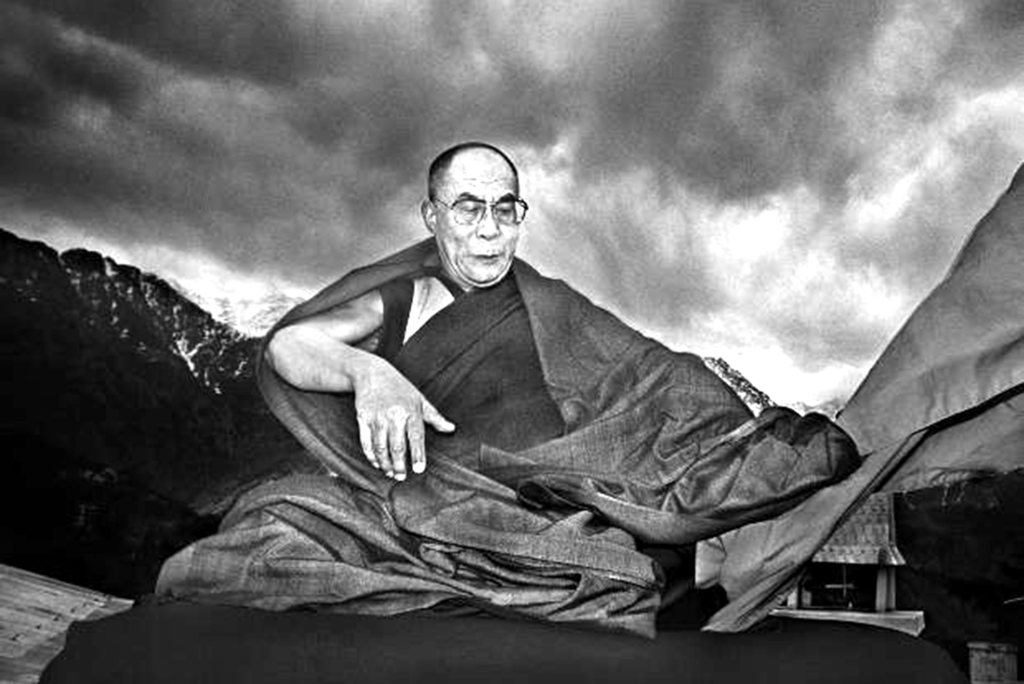
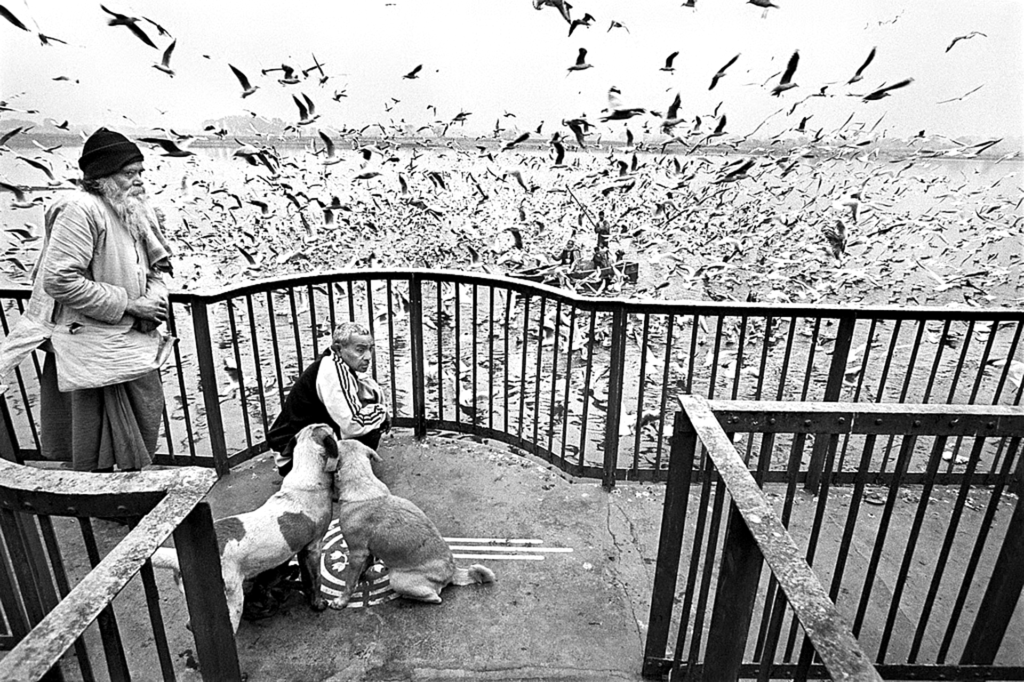
MY EARLY JOURNEY INTO PHOTOGRAPHY
My connection with photography began long before that day in 1972. In secondary school, between 1966 and 1968, when I first started watching films, something shifted inside me. I became fascinated by the way light, shadow, and timing could tell a story. I didn’t own a camera then, but I found a book that explained the science behind photography—the exposure triangle – aperture, shutter speed, and ISO. I read it front to back, again and again, until the diagrams felt like old friends.
The only thing missing was a camera.
After school, I joined the Marine Engineering College in Bombay (now Mumbai). Life there was far from easy. Four days a week we were sent to the Naval Dockyard, sweating through eight hours of filing practice. Returning to the hostel meant facing ragging and bullying from seniors. It was a hellhole, and I wanted to run away. I even wrote to my father saying I couldn’t bear it.
But in the middle of that difficult year, something unexpected happened. A batchmate lent me his old bellows‑type Kodak camera. I loaded a 120 roll film and took twelve photographs. The monsoon clouds were gathering, the light was soft, and when the prints came back, even I was surprised — they were good. Very good. One of the pictures got me a photography prize. It was the first time I realised I might have a natural eye.
Around the same time, I saw an advertisement from the Film Institute of India, Pune, offering courses in Acting, Direction, and Cinematography. Quietly, without telling anyone, I applied for the cinematography course. After an easy written test, I was called for an interview. I travelled alone to Pune, carrying a small 6” x 4” album with those first twelve photographs.
The candidate before me had a large professional portfolio. I felt small and unprepared. But my interview lasted forty‑five minutes—far longer than his. I argued passionately about photography, perhaps too passionately, but when I stepped out, others told me I was sure to be selected. I didn’t believe them.
A week later, a telegram arrived: I had been selected for the three‑year cinematography course.
It is another matter that I could not leave marine engineering to join the Film Institute. But the spark never died. Even during my sailing days, I kept my interest in films and photography alive, always believing that one day I would return to it.
MY PERSONAL ENCOUNTER WITH RAGHU RAI IN 1972
My own memory of Raghu Rai dates back to 26 January 1972, during the Republic Day parade. Our college contingent was marching in the Republic Day parade. I was the proud college photographer, armed with my Zenit, a Russian camera and a sense of great self‑importance. I climbed onto a low wall to get the perfect shot—the kind of vantage point I was sure no one else had noticed.
A few minutes later, someone tried to nudge me aside. I turned, ready to defend my hard‑won territory.
And there he was—Raghu Rai.
At that time, he wasn’t yet the legend he would become, but he already carried that unmistakable intensity in his eyes. He didn’t say a word. He just focused, framed, and clicked as if the world existed only through the rectangle of his viewfinder.
The next morning, his photograph appeared in The Statesman. Mine… stayed in the college album, even though both pictures were like identical twins, taken from the same angle, seconds apart.
Over the years, that small encounter has grown in meaning. I realise now that I had unknowingly shared a ledge with a man who would go on to define how India saw itself — its grief, its beauty, its contradictions, its soul.
Raghu Rai’s passing feels personal, not because I knew him, but because for one brief moment, I stood shoulder to shoulder with someone who spent his life capturing the truth the rest of us only glimpsed.
A CAREER THAT SPANNED CONTINENTS AND GENERATIONS
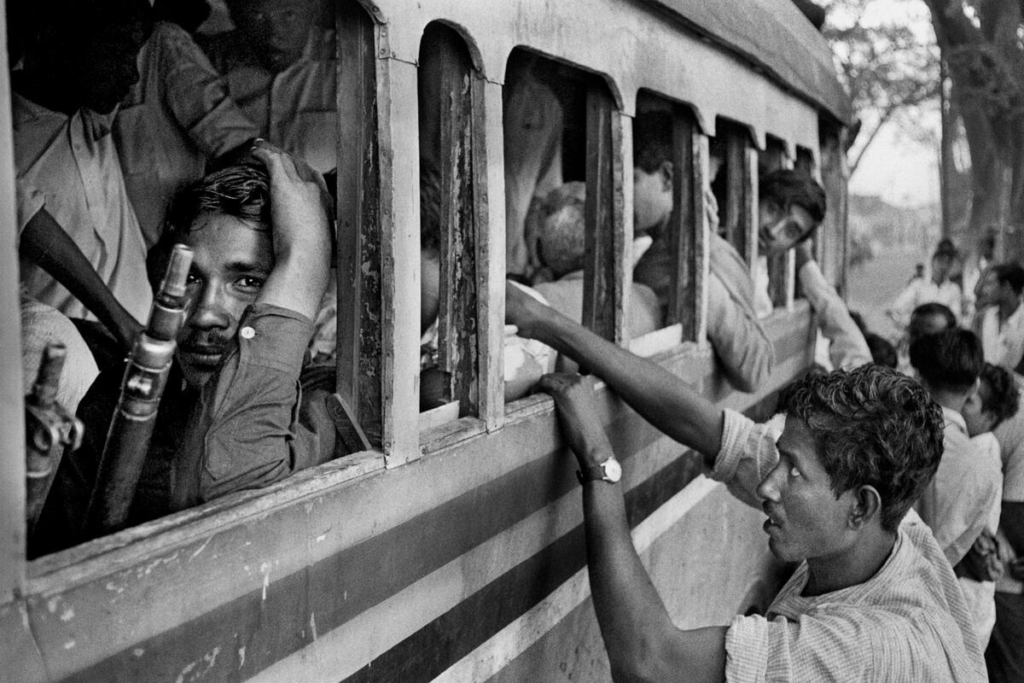
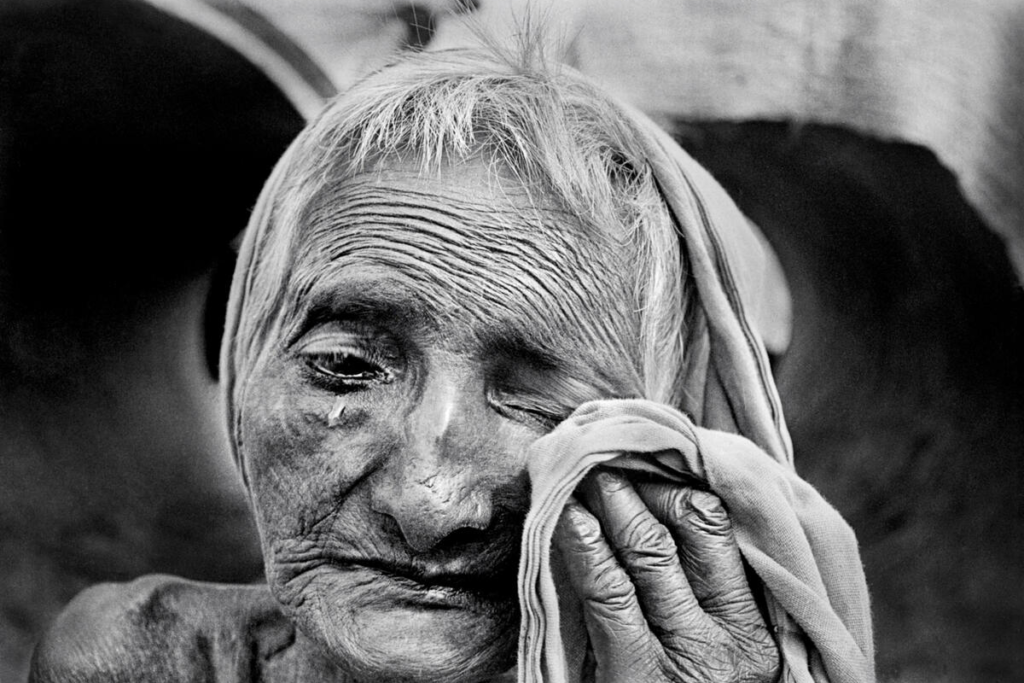
Raghu Rai’s images appeared in Time, Life, The New York Times, and The New Yorker. Raghu Rai often said that photography was “an extension of the heart.” His photographs are not just records. They are conversations. Breathing stories of a moment captured in a fraction of a second. His images do not merely show events; they feel them.
His most celebrated projects include:
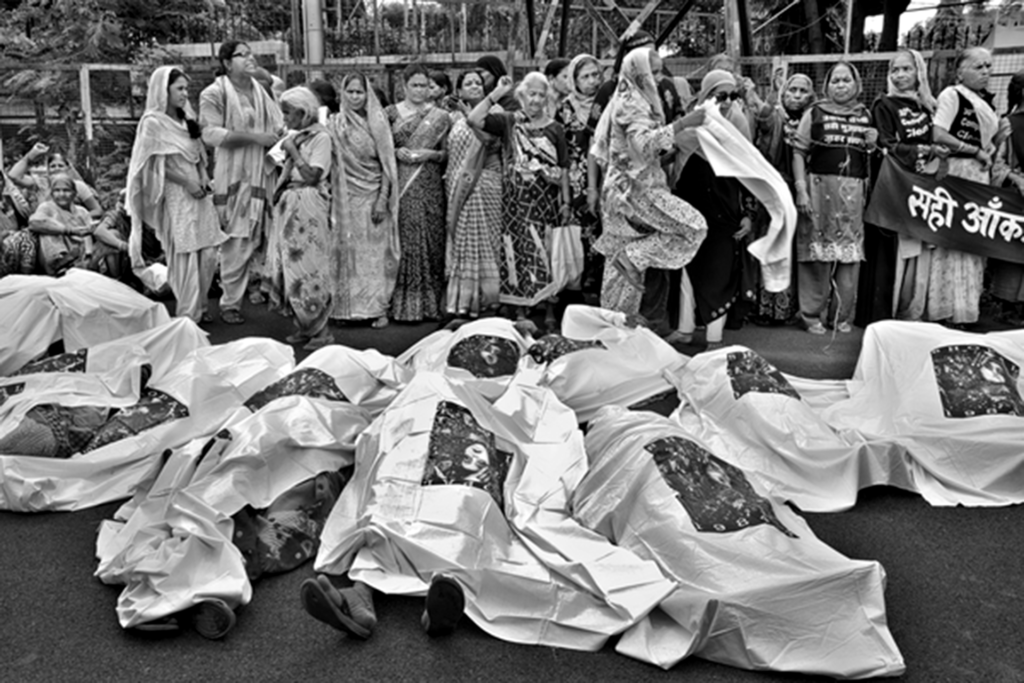
- Bhopal Gas Tragedy photographs
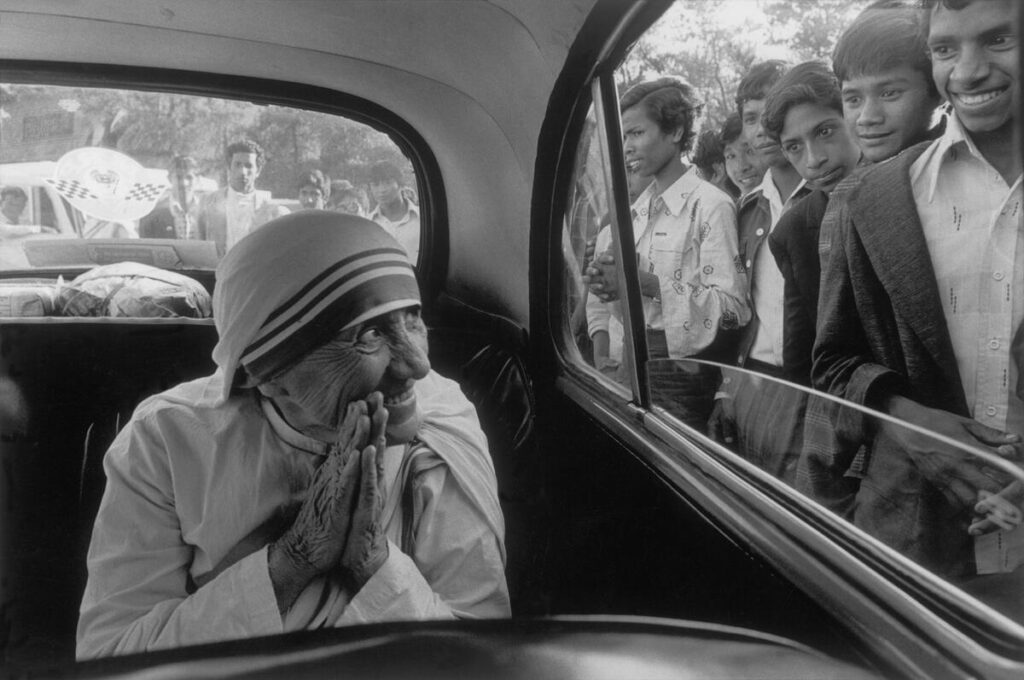
- the serenity of Mother Teresa
- Indira Gandhi and political India
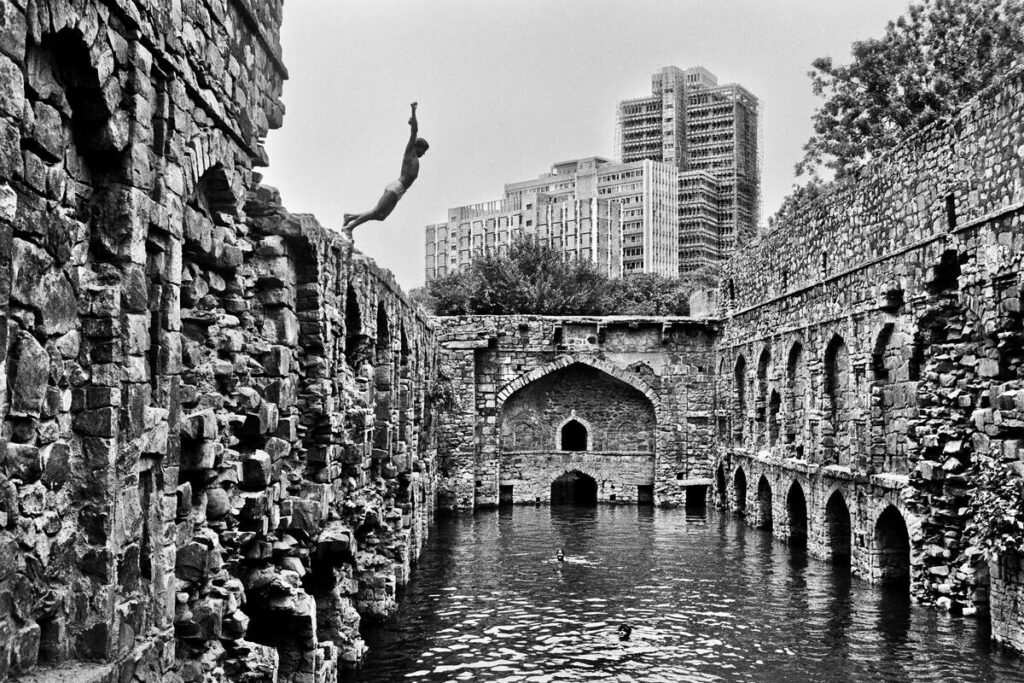
- Old Delhi and rural India photo essays
- the quiet dignity of ordinary people
- the restless energy of a country in transition
- Major commissioned works, including international government projects
THE SINGAPORE COMMISSION — A TESTAMENT TO HIS GLOBAL STATURE
Years after that 1972 encounter, I learned that the Singapore government had commissioned him to produce a major photography book, paying a sum that, in those days, exceeded SGD 100,000—an extraordinary figure at the time.
I remember seeing some of those photographs. They were unmistakably his: the same clarity, the same empathy, the same ability to make a city reveal its inner temperature. Singapore looked both familiar and newly alive through his lens.
Whether he was documenting India’s spiritual restlessness or Singapore’s urban precision, Rai carried the same instinct — to find the human heartbeat beneath the surface.
LEGACY OF A MASTER PHOTOGRAPHER
Rai’s work blended documentary precision with emotional depth. He believed photography was “an extension of the heart,” and his images continue to be studied for their composition, humanity, and storytelling power.
With dozens of books, international exhibitions, and decades of visual documentation, Raghu Rai leaves behind a body of work that will continue to inspire photographers, historians, and lovers of India’s visual culture.
A FAREWELL TO A MASTER
As I look back on that day in 1972—two photographers sharing a narrow ledge, one unknowingly standing beside greatness—I realise how rare such moments are.
Raghu Rai is gone, but his images remain: sharp, compassionate, unblinking, alive.
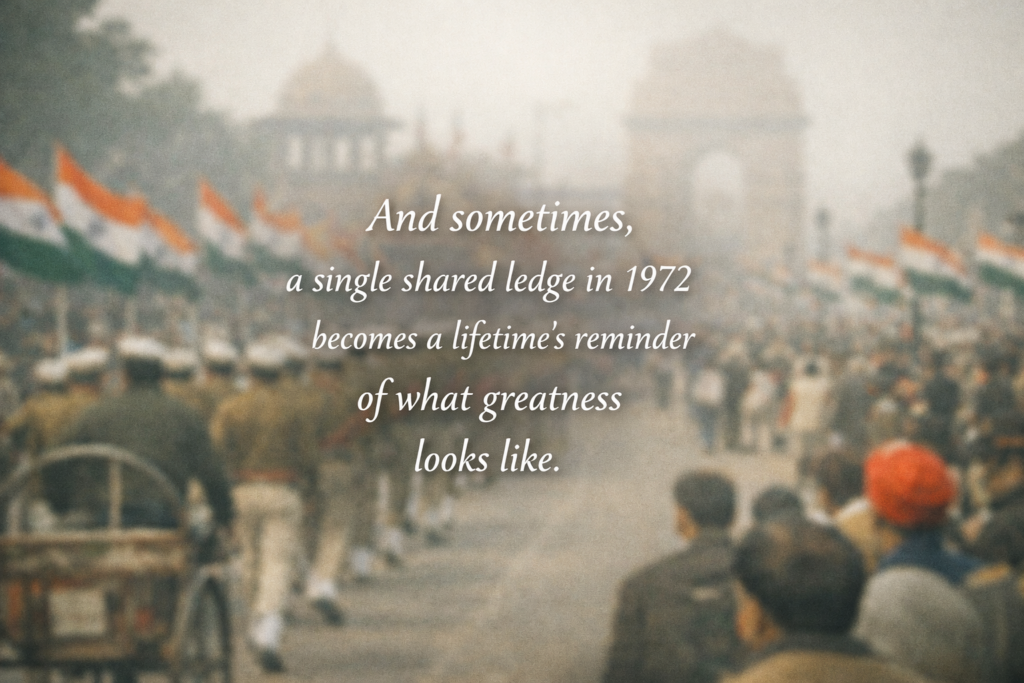
They will outlive all of us. And sometimes, a single shared ledge in 1972 becomes a lifetime’s reminder of what greatness looks like.
PS, you a natural flair for writing.
Why not combine it with your photography and become a legend on your own?!
Thanks, Abhay. I think all of us carry stories — I’m just learning to put mine down. Thanks again for your encouragement.
Well written, PS.
As they say, carry on cleo!
You should come to the next reunion and click some pics
Thanks, Inder. “Carry on Cleo” made me smile. I’ll try to make it to the next reunion — camera in hand.
PS
Like photography expresses the visual sentiment of the heart so also do words depict the intensity of the mind.
Both need to be shared, extensively, to allow others. Children of A Lesser God and indeed ‘mere mortals’ too busy to just survive, to also peek into an atmosphere gained from intense feelings, pain & pleasure and a vast experience gained from the diversity of life that you, PS have been both fortunate and fully conscious of in your pathways.
An excellent piece of thought and feeling not only as a tribute to Raghu Rai but also to India.
Pondered over how it might have turned out if the fledging hopper over ledges had indeed taken the plunge out of Marine Engineering
Would Naval architecture have lost a stalwart or Cinematography gained another legend.
The quintessential question of What IF.
Enjoyed your script immensely
Bobby, your words carry more poetry than my post ever could. Thank you for reading it with such generosity. Life’s “what ifs” are always tempting, but I’m grateful for the path I did take — and for friends who still walk alongside it.
It’s always a pleasure reading your blogs Jyoti . I always knew about your passion in photography right from DMET 1st year & have known about your selection at Pune institute but your writing skills are marvellous .
Yes , we will love it if you compile these into a book . Our best wishes to you
Thank you, brother Naresh. Your note brought back memories of our DMET days — when we were all discovering our passions — and our woes — together. I’m touched by your faith in my writing after all these years. A book might just happen, encouraged by friends like you who’ve seen both my passions and my misadventures. Warm regards to you and the family.
Lal Bahadur of our batch. छोटी मूर्ती मगर बडी कीर्ती. Happy to note you have switched gears to writing now. PS is a MG engine with nine gear drive.
Go on buddy,
Mahendra, trust you to come up with a line like that — छोटी मूर्ती मगर बड़ी कीर्ती had me laughing. And the MG with nine gears… I wish! Thanks, buddy. Truly appreciate the encouragement.
Dear Prabhjot,
To do justice to writing about a great person you need to be passionate about his craft. Your soulful article on Raghu Rai not only depicted the genius he was, but also brought out the purity of your passion for photography. I consider myself blessed to have you as my friend and admire your multiple passions and talents.
Rajaish, that’s incredibly kind of you. Your words mean a lot, especially coming from someone whose journey I’ve admired since our DMET days. Thank you for the encouragement and the friendship — it has always mattered.
Great content! Keep up the good work!